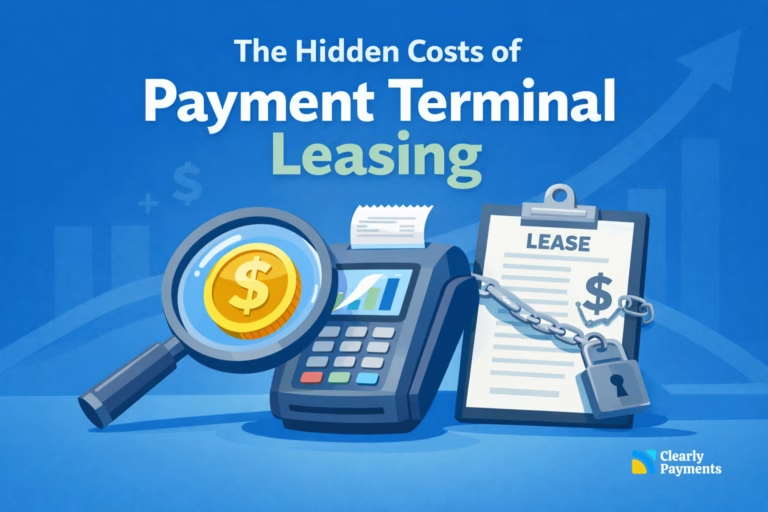

Accepting card payments is no longer optional for most businesses. Across North America, electronic payments now represent the majority of transactions, meaning nearly every merchant needs a reliable payment terminal. But while choosing a processor gets most of the attention, how you acquire your payment terminal can quietly become one
Quite often, you need a payment processor. If you are accepting credit card or debit cards you will need a payment processor. If you also

It is unfortunate but sometimes there are issues in payments and credit card processing. They range from small annoyances to mission critical problems. Here’s some
Accepting credit cards cost money for a business. That is likely the the main reason a business might not want to accept credit cards. It
Interchange plus pricing, sometimes called cost plus, is one of the common ways that payment processors price their services for merchants. There are two other
There is a long history of retailers or financial institutions providing credit for customers. In the 1800s and early 1900s, imagine going into your local
The payment processing industry is a sector of the financial industry that handles electronic payment transactions. It includes companies that provide payment processing services, such

It’s been a decade long trend. People are using cash less in favour of credit card and debit card payments. It’s a trend that will

Chargebacks can have negative implications for merchants. They result in financial losses as the revenue from the sale is lost along with associated fees. Dealing

A return policy is a must. Whether you allow returns or you don’t, a policy should be clear. There are statistics out there that around
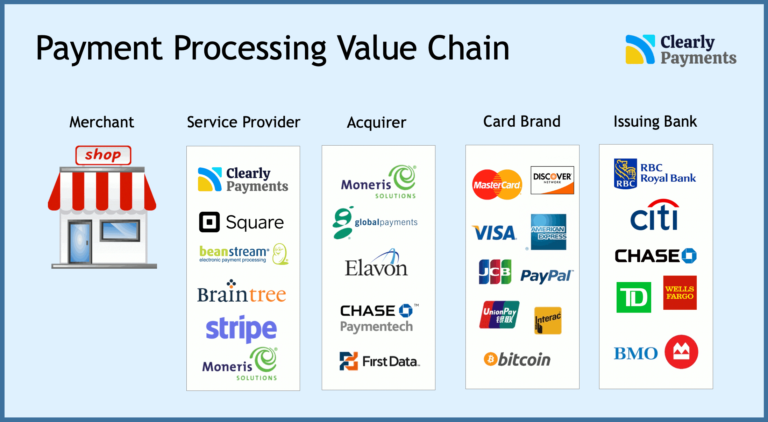
When you’re in payments, you’re in an industry with thousands of competitors in a complex value chain. In fact, most of the industry involves just

Future delivery is an important situation for some merchants in payment processing. It’s good to know how to deal with it and your payment processing

Payment aggregators (aka third-party processors) are service providers that allow other businesses to accept credit cards without having to set up a merchant account. They
Billing cycles are one of the most important components that payment processors use to determine the risk level of a business. They determine the risk

It has happened to many businesses before and it’s not a good experience. You are halfway through a busy day and a colleague tells you

The quick answer is yes, you need a merchant account if you are going to accept credit card payments from your customers. A merchant account

If you know why consumers do chargebacks, you can work on preventing them. Chargebacks are one of those things that you should pay attention to

You want to get an understanding of how people are paying for things. Here’s a set of stats to give you the lay of the
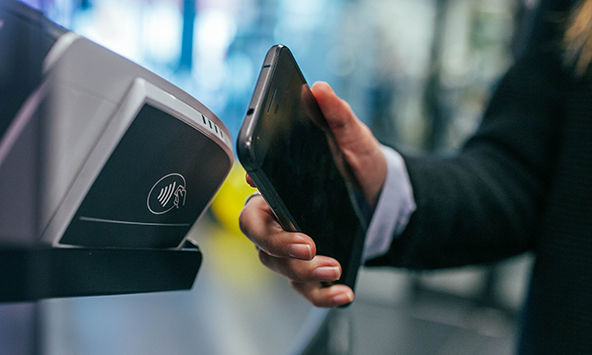
Contactless payment is when a consumer taps their card on the payment terminal (point-of-sale, POS) to authorize a transaction. There’s no PIN, no signature. It’s
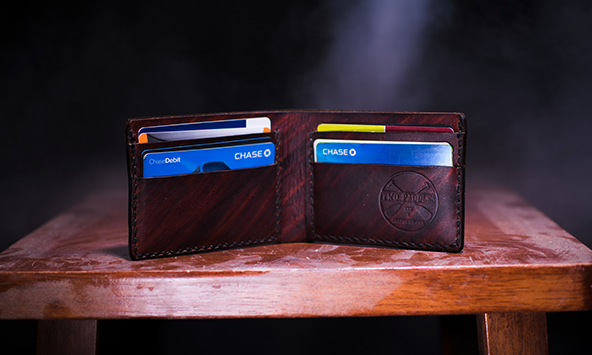
As a merchant, you need to know there is a difference between the merchant fees of credit cards vs debit cards. In the end, credit
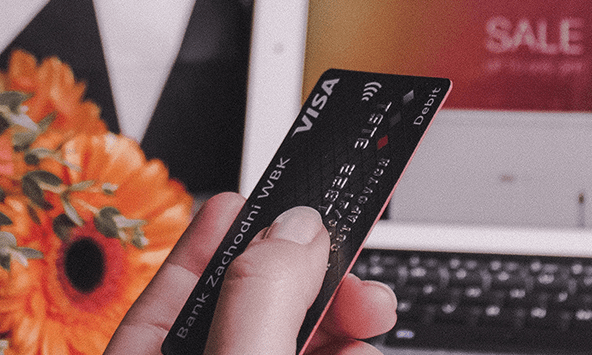
It costs money for a business to accept credit cards. It would be nice if it was free, but it isn’t. The cost is generally
The credit card processing industry has some of the most complex pricing of any industry. To make it more difficult, the industry is so competitive