

An accounting firm can finish a tax return on time and still spend weeks collecting the fee. A client forgets a cheque, an invoice gets buried in email, or a monthly bookkeeping payment needs another reminder. Payment processing should make those moments easier without creating more reconciliation work for the
Credit card payments typically take 1–3 business days to settle, although some transactions can settle as quickly as the next business day. The exact timing
Businesses in the United States and Canada have hundreds of payment processing providers to choose from, including merchant account providers, acquiring banks, payment facilitators, ISOs,

Moneris is one of Canada’s best-known payment processors, but it isn’t the only option. Canadian businesses comparing payment providers may want to consider pricing structure, contract
If your business accepts payments from other businesses, government agencies, or large organizations, you may be paying more in credit card processing fees than necessary.
Payment processing has become an increasingly important part of running a distribution business. As more commercial buyers expect to pay by credit card, virtual card,
Spoiler: Processing rates are only one piece of the puzzle. Many businesses choose a payment processor based on a simple comparison: 2.9% + 30¢ sounds

Whether you’re an electrician, plumber, HVAC company, roofer, landscaper, painter, home renovator, or general contractor, getting paid quickly matters. Contractors often pay for labour, materials,
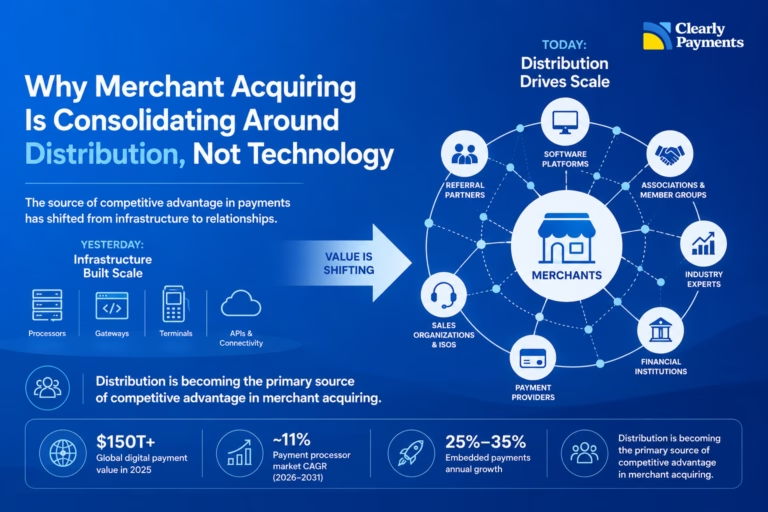
The payments industry has spent decades investing in technology. Processors built massive infrastructure platforms. Acquirers invested billions in connectivity, security, compliance, hardware certifications, and payment
More than $850 billion flowed through Canadian credit cards in 2025. That works out to approximately $2.3 billion every day, $97 million every hour, and
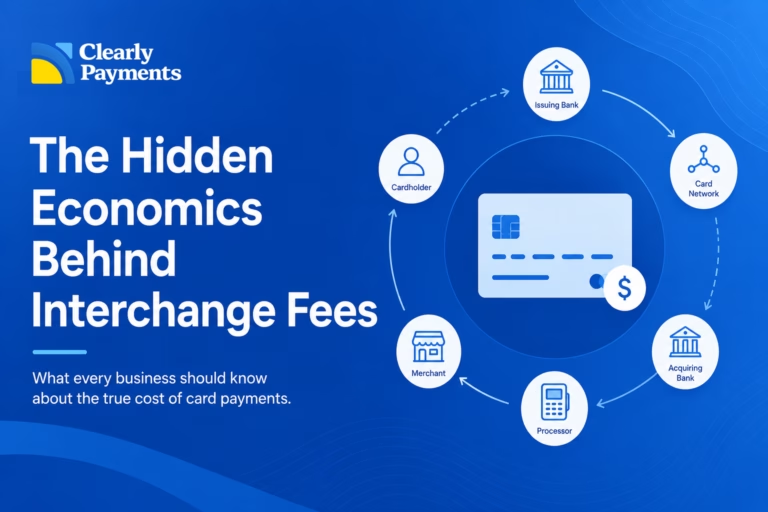
When a customer taps, inserts, or enters a credit card online, the transaction appears almost instantaneous. A receipt is generated, funds begin moving, and the
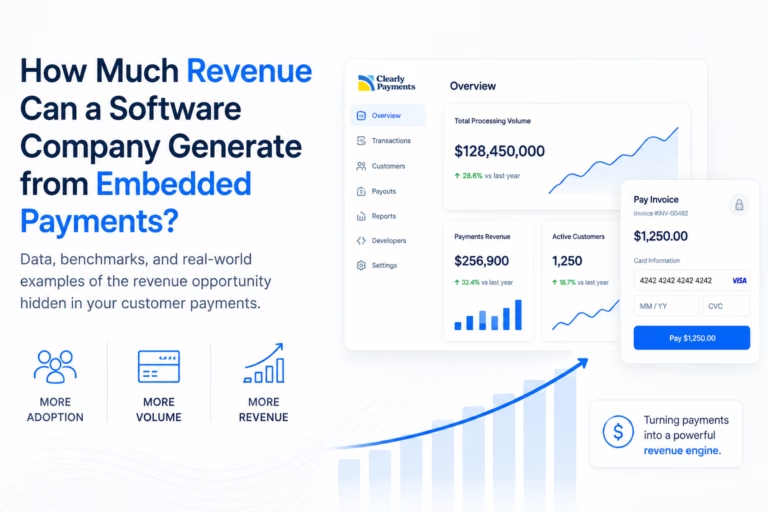
For many software companies, subscription (SaaS) revenue has traditionally been the primary business model. Customers pay a monthly or annual fee to access the platform,
Every day, millions of online purchases move through a global payments infrastructure that most consumers never see. A customer clicks “Buy Now”, receives an approval

Artificial intelligence is rapidly evolving from a passive assistant into an active participant in the economy. Today, AI systems summarize documents, answer questions, generate code,
Key Takeaways Merchant churn can vary by more than 5x depending on vertical, with professional services below 10% annual logo churn while high-risk ecommerce categories
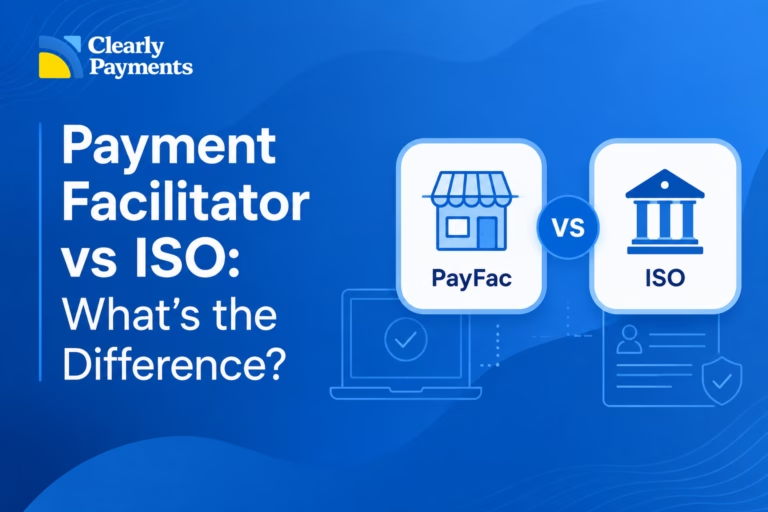
The payments industry has changed dramatically over the last decade. Businesses can now start accepting payments in minutes, software platforms are embedding financial services directly

Key Takeaways: Dental clinics typically pay between 1.5% and 3.0% in total payment processing fees depending on card mix and setup Insurance-driven billing creates delayed

Choosing a payment processor in the U.S. is less about finding a single “best” option and more about matching the right pricing model and infrastructure
Payment processing is often described in simple terms, charging a card, receiving funds, and reconciling transactions. In practice, modern payment systems are far more complex,
Choosing the right payment processor in Canada can materially impact your margins. Fees vary widely, contracts can be restrictive, and pricing models are often difficult
If you run a business in Canada, understanding payment processing fees can have a direct impact on your margins. Many merchants assume debit and credit

Payment processing feels simple on the surface. A customer taps a card. You get paid. Behind the scenes, however, multiple banks, networks, risk systems, and