
Payment Processing for Accountants and Accounting Firms
An accounting firm can finish a tax return on time and still spend weeks collecting the fee. A client forgets a cheque, an invoice gets
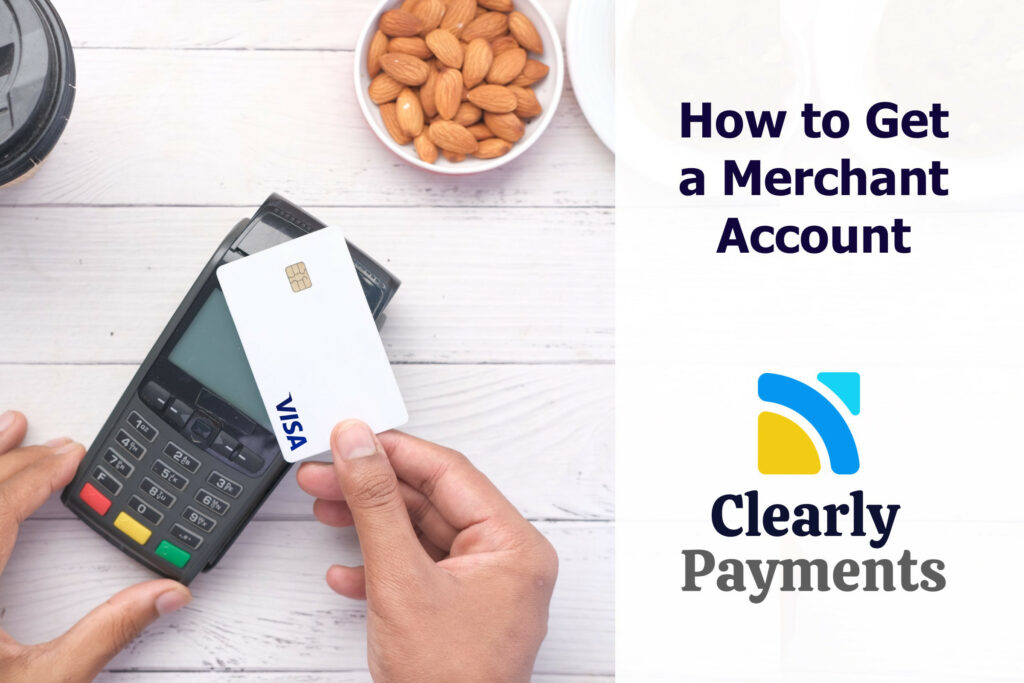
Any business that has revenue over $100,000 per year and accepts credit cards almost certainly has a merchant account. If you don’t have a merchant account and your business processes more than $100,000 per year in credit cards, this article will give you an overview on how to get one.
For the smaller businesses with less than $100,000 in annual revenue that already accept credit cards, they likely use an aggregator. With aggregators (like Stripe or Square), you do not get a merchant account, rather you share a merchant account with thousands of other businesses. You can read more about how to compare aggregators with merchant accounts on accepting credit cards.
A merchant account is a business account that is used to transfer funds from your customer’s bank account to your business bank account after a purchase with a credit card. A merchant account is not the same as a bank account. A merchant account is more similar to a line of credit for your business. Since a merchant account is like a line of credit, your business needs to go through an approval and underwriting process to get a merchant account.
Most payment processors that offer a merchant account have an application that you need to fill out with both personal and business information. Some people are concerned about giving personal information that includes their bank account information, SIN (social insurance number), and financial details of their business. However, since a merchant account is a line of credit, it is reasonable to do a credit check on your business. There will not be a reputable organization that will underwrite your business without going through this process.
Some people ask why personal information is needed. It comes down to regulations. The government requires all financial institutions collect information about their customers. This is known as KYC (Know Your Customer) standards that are designed to protect against fraud, corruption, money laundering and terrorist financing. KYC refers to the process by which banks and financial institutions are required by the Canadian government to gather identifying information on the person opening the account, official government photo ID, address, and a Social Insurance Number (SIN).
Another aspect of a merchant account is that in some cases, you may be required to sign a personal guarantee before the application is approved. A personal guarantee is generally used as incentive to ensure responsible behaviour and deter from any fraudulent activity.
The steps and timeline to get a new merchant account are as follows:
You can get a merchant account from a payment processor. A payment processor is a loaded term because you can get a merchant account from an acquirer or an ISO. Here is a full explanation of the difference between an acquirer and an ISO. However in summary, our opinion is that ISOs, like Clearly Payments, are the best providers of payment processing.
An ISO can work with multiple providers to offer the best payment products, they can build their own value-added software, and they can have more ability to offer exceptional customer service. We have also offered an article on the best credit card processors if you want to go through a full list.
An accounting firm can finish a tax return on time and still spend weeks collecting the fee. A client forgets a cheque, an invoice gets
Credit card payments typically take 1–3 business days to settle, although some transactions can settle as quickly as the next business day. The exact timing
Businesses in the United States and Canada have hundreds of payment processing providers to choose from, including merchant account providers, acquiring banks, payment facilitators, ISOs,