Interchange plus pricing, sometimes called cost plus, is one of the common ways that payment processors price their services for merchants. There are two other forms of pricing models, which are flat-rate pricing and tiered pricing. In the end, interchange plus is regarded as the most transparent and fair for merchants. That’s why it’s not […]

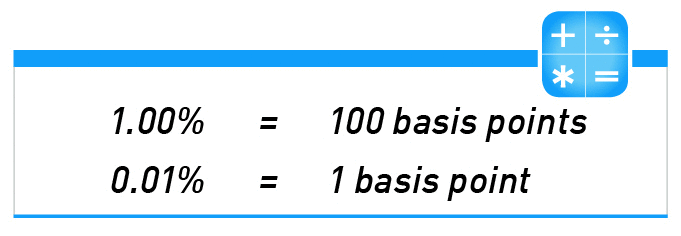
When you’re in payments, you’re in an industry with thousands of competitors in a complex value chain. In fact, most of the industry involves just a handful of very large banks. However, the industry is so big that very large companies can be built by just taking a sliver of the industry. That’s why basis […]
Billing cycles are one of the most important components that payment processors use to determine the risk level of a business. They determine the risk level with an underwriting process. Billing cycles are the methods you use as business to charge your customers. For example, the typical cycle for retailers is a one time transaction. […]
As a merchant, you need to know there is a difference between the merchant fees of credit cards vs debit cards. In the end, credit cards are more expensive for you than debit cards. Here’s why: There is a confusing part where sometimes, particularly in USA, a consumer needs to sign for a debit transaction […]
The credit card processing industry has some of the most complex pricing of any industry. To make it more difficult, the industry is so competitive that most payment processors don’t try to make it clear and even try to mislead what the pricing actually is. Is is also common that processors hide fees, overcharge for […]
There are a number of different methods that payment processors charge for credit cards. Behind these pricing methods are costs which vary depending on numerous factors. It’s important for you to understand why sometimes higher fees are charged to you as a merchant. This can help you plan better and also reduce costs. Premium cards: […]