
Best Payment Processing for Contractors (2026 Guide)
Whether you’re an electrician, plumber, HVAC company, roofer, landscaper, painter, home renovator, or general contractor, getting paid quickly matters. Contractors often pay for labour,…
Non-qualified rates are one of the most confusing fees in the payment industry because they often appear on statements without a clear explanation. These charges can significantly increase a merchant’s true processing cost, which makes it important to understand how they work and how to avoid them.
This article explains what non-qualified rates are, why processors use them, and how they affect your total payment processing costs.
A non-qualified rate is a charge added by some processors when a transaction does not meet their internal criteria for a lower “qualified” rate. This system is common in tiered pricing models, where transactions are grouped into qualified, mid-qualified, and non-qualified tiers.
In simple terms, a non-qualified rate is the most expensive tier, applied when a transaction does not fit the processor’s preferred rules.
Each processor decides what counts as “non-qualified,” which means the criteria are not standardized. As a result, the same card type can be qualified with one processor and non-qualified with another. This is why tiered pricing is generally the most expensive and confusing with hidden fees.
Most non-qualified surcharges are triggered by card type, data quality, or how the transaction is processed. These factors vary between processors, which is what makes tiered pricing unpredictable.
Common reasons include:
Non-qualified fees make true processing costs much harder to understand. They turn what looks like a simple “low rate” into unpredictable monthly bills and create large gaps between advertised rates and real costs.
A few important impacts:
Non-qualified fees exist only in tiered pricing systems. Interchange-plus pricing removes these hidden fees and charges merchants directly based on card network interchange rates, plus a transparent markup.
| Feature | Tiered Pricing | Interchange-Plus Pricing |
|---|---|---|
| How pricing works | Processor groups transactions into qualified, mid-qualified, and non-qualified tiers | Merchant pays the actual Visa and Mastercard interchange cost plus a fixed markup |
| Visibility of costs | Low visibility, tiers hide true interchange and processor margin | High visibility, all fees shown clearly on the statement |
| Non-qualified fees | Yes, often the most expensive tier | None, since there are no tiers |
| Monthly bill predictability | Low, varies based on card types and processor rules | High, costs follow published interchange tables |
| When used | Common with older or legacy processors | Preferred by experienced merchants and modern processors |
| Best for | Merchants wanting a simple but less transparent rate table | Merchants wanting transparent, predictable, fair pricing |
Although merchants cannot control card type, they can reduce non-qualified charges in several ways. These changes also improve transaction security and reduce fraud risk. Overall, the best way is to avoid payment processors that use tiered pricing. You should switch to interchange plus (cost plus) pricing.
Practical steps include:
Transparent pricing helps merchants plan cash flow, understand true processing costs, and compare processors fairly. Non-qualified fees do the opposite because they move transactions into an expensive bucket without clear reasons.
Clearer statements mean:
This is one of the reasons many Canadian and US businesses are moving away from tiered pricing and toward interchange-plus models.
Clearly Payments can review your processing setup, pricing or payment technology.
Talk to Clearly →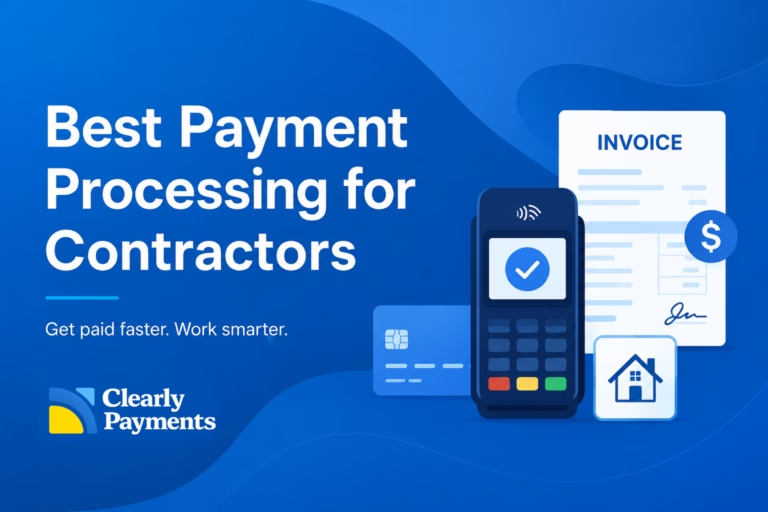
Whether you’re an electrician, plumber, HVAC company, roofer, landscaper, painter, home renovator, or general contractor, getting paid quickly matters. Contractors often pay for labour,…
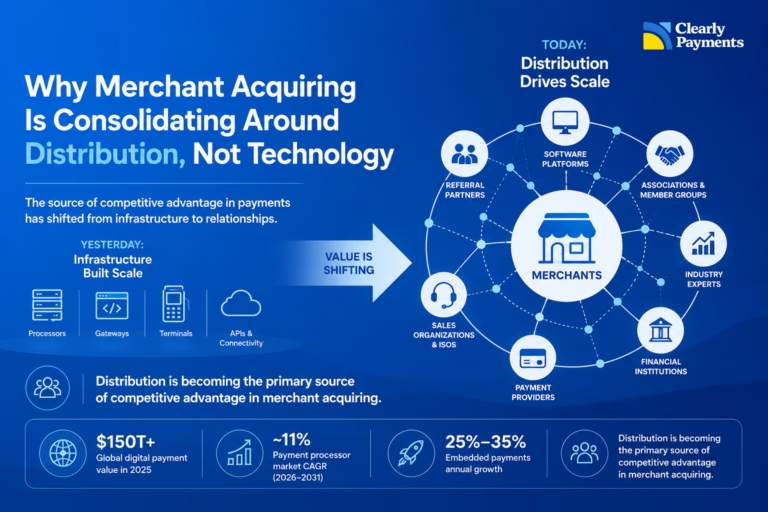
The payments industry has spent decades investing in technology. Processors built massive infrastructure platforms. Acquirers invested billions in connectivity, security, compliance, hardware certifications, and…
Accepting credit cards is essential for most businesses today, but the fees can quietly add up. Many merchants assume payment processing rates are fixed,…