
The Cost of Running Payments at Scale: Staffing, Operations & Transaction Costs
Understand payment operations costs, staffing, reconciliation and automation savings, with worked examples for building a payment-operations budget.
In 2025, staying compliant with payment rules is essential for businesses of every size. Card networks like Visa and Mastercard are enforcing stricter standards, regulators are expanding privacy laws, and payment providers are under pressure to monitor merchant activity more closely.
For merchants, this means one thing: understanding and managing payment compliance is no longer optional, it’s necessary to keep processing payments smoothly and growing your business without interruption.
This guide breaks down what compliance really means, why it matters, and how to stay ahead of it, with simple explanations and real-world facts.
Payment compliance means following the rules that govern how businesses accept and handle card payments. These rules come from multiple sources, including card networks, regulators, and your payment processor.
At its core, payment compliance involves:
Why it matters:
Non-compliance can lead to frozen funds, higher processing fees, termination of your account, or placement on the MATCH list, which can prevent you from accepting cards at all.
Staying compliant protects your ability to operate and keeps payment disruptions to a minimum. It also helps reduce fraud, chargebacks, and reputational damage.
Some key facts:
Compliance isn’t just about avoiding penalties — it directly impacts customer trust, transaction approvals, and revenue flow.
If your business accepts credit or debit cards, you must comply with the Payment Card Industry Data Security Standard (PCI DSS). These are global rules designed to keep cardholder data secure.
What merchants need to know in 2025:
Clearly Payments helps merchants stay PCI-compliant through guided tools and platform-level security.
Many chargebacks happen not because of fraud, but because customers don’t recognize the charge or feel misled.
Best practices:
Poor documentation is one of the most common triggers for payment disputes. Keeping things simple and upfront can dramatically reduce risk.
Chargebacks are costly, they mean lost revenue, fees, and potential processor penalties. They’re also a key compliance area.
Visa and Mastercard thresholds (2025):
To stay in good standing:
Staying under the chargeback limit can mean the difference between long-term payment success and account termination.
All processors are required to follow Know Your Business (KYB) regulations. This means verifying your identity, your business activities, and what products or services you’re selling.
Why it matters:
Being upfront with your provider helps you avoid unexpected holds or account freezes.
Clearly Payments is built with compliance and transparency at its core. We support merchants with tools and guidance to help you stay on top of evolving requirements, without the red tape.
Here’s how we help:
PCI Compliance Support: Easy onboarding and automated tools to stay certified.
Clear Setup Guidance: We help ensure your terms, policies, and billing descriptors are in line.
Chargeback Alerts: Get notified early if you’re trending toward card brand limits.
Ongoing Risk Monitoring: We keep you informed and protected as your business grows.
Human Support: Our compliance team is available when questions come up.
Whether you’re launching your first store or scaling a growing operation, we make compliance simple and manageable.
Clearly Payments can review your processing setup, pricing or payment technology.
Talk to Clearly →
Understand payment operations costs, staffing, reconciliation and automation savings, with worked examples for building a payment-operations budget.
Credit card payments typically take 1–3 business days to settle, although some transactions can settle as quickly as the next business day. The exact…
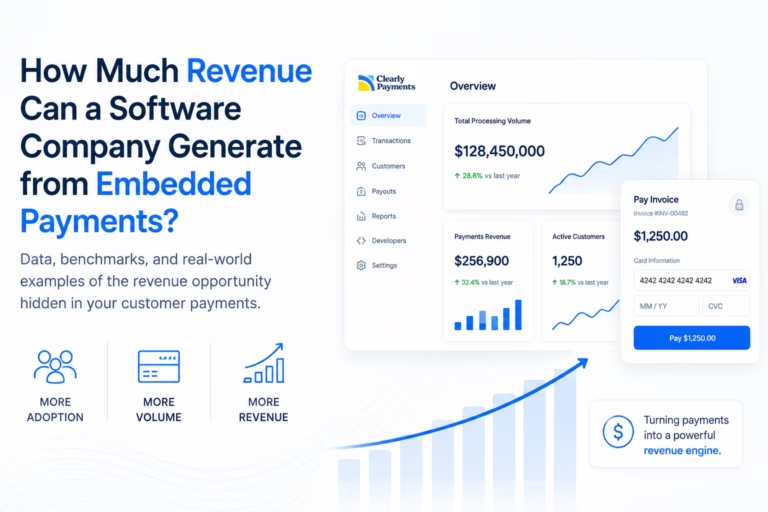
For many software companies, subscription (SaaS) revenue has traditionally been the primary business model. Customers pay a monthly or annual fee to access the…